Expanding cannabis is a thorough procedure that includes mindful focus to the plant’s requirements and understanding of the different stages of growth. Seeds: Cannabis can be grown from seeds, which are typically classified as feminized or regular. Feminized seeds are bred to create just female plants, which are the ones that produce buds (the part of the plant collected for cannabinoids like THC and CBD). Normal seeds generate both male and women plants. Male plants do not generate buds but are utilized to pollinate ladies if you’re reproducing cannabis. Duplicates: These are cuttings taken from a fully grown lady plant. Duplicates make sure hereditary uniformity and conserve time by missing the germination stage. Choosing the ideal genetics is vital, as various strains (Indica, Sativa, or crossbreed) have differing development patterns and cannabinoid accounts. Germination is the procedure of getting the seed to grow. This commonly takes 3 to 7 days. Approach 1: Paper Towel Method– Soak the seed in water for concerning 12 hours, after that place it between 2 damp paper towels in a cozy, dark place until it grows. Technique 2: Direct Soil Planting– Plant the seed concerning 0.5 to 1 inch deep right into moist, yet not soaked, soil. Maintain the dirt cozy and maintain humidity degrees. When the seed germinates, a tiny taproot will certainly arise, adhered to by the very first collection of fallen leaves (cotyledons), indicating the beginning of the plant stage.
The vegetative phase is the period of fast development where the plant focuses on expanding stems, leaves, and origins. This phase normally lasts 4-8 weeks, relying on the stress and growing problems. Light: Cannabis plants require 18-24 hours of light per day throughout the vegetative phase. This imitates long days of summertime, motivating growth. Temperature and Humidity: Ideal temperature level is between 70-85 ° F(21-29 ° C ). Humidity should be high at 50-70% to promote healthy growth. Nutrients: Cannabis plants require a well balanced diet regimen of nitrogen (N), phosphorus (P), and potassium (K), with nitrogen being critical during the vegetative stage to advertise leaf and stem growth. In this stage, it’s essential to trim the plants, eliminating reduced leaves or stems that aren’t obtaining much light to permit energy to be focused on the leading growth. Recognizing Male and Female Plants: Cannabis plants are dioecious, indicating they have separate man and women plants. The male plants generate plant pollen sacs that look like tiny spheres, while women plants generate pistils (white hairs) that expand at the nodes where branches meet the main stem. It’s vital to get rid of male plants from the garden to stop them from pollinating women plants, which would certainly lead to seed manufacturing instead of the wanted bud production. To activate the flowering stage, the light cycle needs to be adjusted: 12 hours of light and 12 hours of darkness daily will stimulate women plants to start flowering. This mimics the shorter days of fall, signifying the plant to focus on reproduction (i.e., creating buds).
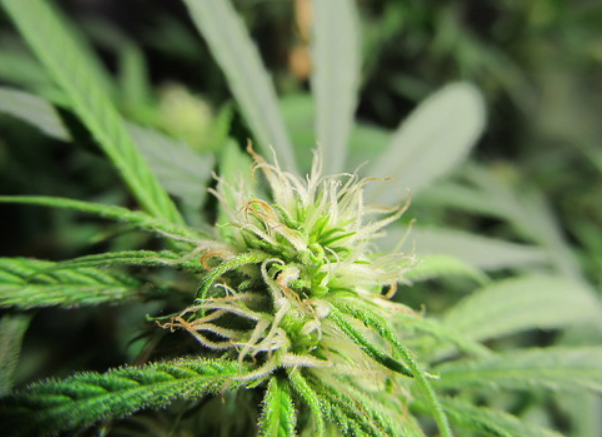
The blooming stage is when the cannabis plant creates the buds that will later on be gathered for their cannabinoid content. This stage generally lasts 8-12 weeks, relying on the pressure. Light: Cannabis needs 12 hours of uninterrupted darkness everyday. Any kind of light leakages during this period can create anxiety, potentially leading to hermaphroditic plants (those with both male and female reproductive organs). Nutrients: During blooming, cannabis plants require greater amounts of phosphorus and potassium to sustain bud production and less nitrogen Cannabis dispensaries in Krabi, which is needed during the vegetative stage. Trimming and Training: To make certain optimal light exposure, strategies like low-stress training (LST), covering, and defoliation are utilized to shape the plant and remove unneeded growth. This aids make best use of returns. At this point, you’ll start to see buds (likewise called sodas) creating at the nodes where the pistils are. These buds are the source of THC, CBD, and various other cannabinoids. The last part of the flowering stage entails the ripening of the buds. This is when the plant’s trichomes (the little, crystal-like structures that contain THC and CBD) develop. Trichome Maturity: The shade of the trichomes adjustments from clear to cloudy and ultimately to amber.
The optimal time to harvest is when the trichomes are mostly gloomy with some brownish-yellow, showing a good balance of cannabinoids and terpenes. Harvest: The size of blooming and the optimal harvest home window depends upon the pressure. Some stress may take as low as 8 weeks, while others might take 10-12 weeks or more. When to Harvest: Harvesting is commonly done when the trichomes are mostly gloomy with some amber ones, suggesting peak cannabinoid material. The pistils (hairs) on the buds may likewise alter shade from white to orange or red as an indication of perfection. Cutting the Plant: Using decontaminated pruning shears, cut the plant down at the base. If growing several plants, it’s usual to collect in stages, starting with the bigger, more mature buds. After gathering, cannabis must be dried out and healed to improve flavor, strength, and smoothness of the smoke. Drying out: Hang the branches inverted in a great, dark area with excellent airflow and reduced humidity (45-55%). Drying typically takes 7-10 days, depending upon the atmosphere.
Treating: After the buds are dried out, they are trimmed and placed in glass containers. Jars ought to be opened one or two times a day for the first week to release dampness and permit fresh air to distribute, then much less regularly as time goes on. Curing typically lasts 2-4 weeks and can even expand up to a number of months, which boosts taste, smoothness, and strength. The healing process additionally helps to break down chlorophyll and various other compounds in the plant, causing a smoother and extra fragrant end product. After treating, cannabis must be saved in airtight containers (like glass jars or mylar bags) in an awesome, dark area to preserve its strength and taste. Correct storage will certainly protect the trichomes and stop degradation of THC or CBD over time. Expanding cannabis requires cautious focus to information at each stage of the procedure, from seed germination to harvest and curing. Elements like lights, temperature level, humidity, and nutrient balance all play substantial roles in producing a healthy and balanced, high-quality crop. Whether you’re growing cannabis for individual usage or larger-scale production, understanding each stage and giving the best environment is crucial to success.
 Cannabis dispensaries in Krabi