Understanding cannabis strain terminology is vital to navigating the globe of cannabis and picking the ideal strain for your demands. The terminology can occasionally be complex, but once you comprehend the basics, it comes to be easier to identify the traits, results, and features of various cannabis strains. Landrace Strains: These are the initial, naturally occurring cannabis strains that have actually developed over hundreds of years in certain geographical regions. Landrace strains are usually pure and unchanged, having actually adapted to their natural environment. As an example, Afghan Kush is a widely known landrace strain from the mountains of Afghanistan. Landrace stress have actually usually been bred with various other stress to create contemporary hybrids, however they still maintain their unique, original characteristics. Significance of Landrace Strains: These pressures are valued for their hereditary purity and can have specific buildings that make them very desirable, such as resilience to local bugs and environmental conditions.
Phenotype: The phenotype refers to the observable physical and chemical attributes of a cannabis plant, such as its shape, dimension, shade, scent, and results. These qualities are affected by the plant’s hereditary makeup (genotype) along with environmental factors. Example: If you have 2 cannabis plants that originate from the very same seed set (genotype) however they look or scent different, those differences are the result of their phenotypes. As an example, one plant may be taller and produce more buds, while another may have a much more distinctive aroma or a higher THC content. Phenotypic Variation: Even within the exact same strain, phenotypic variation can take place. As an example, one “Blue Dream” plant might have a lot more berry-like aromas, while another can have a much more citrusy scent. These variants aid develop unique growing experiences and results for both growers and customers. Genotype: The genotype of a cannabis plant refers to its genetic makeup, specifically the set of genetics acquired from its moms and dad plants. It identifies much of the plant’s attributes, such as its general growth pattern, resistance to bugs, and chemical profile (consisting of the degrees of cannabinoids like THC and CBD).
Genotype vs. Phenotype: While the genotype determines the hereditary potential of a cannabis plant, the phenotype refers to exactly how the plant’s genetic attributes are shared based on ecological elements like light, temperature level, and nutrients. The genotype corresponds throughout plants expanded from the same seeds, but the phenotype can differ. Terpenes are aromatic compounds located in cannabis and many various other plants, fruits, and natural herbs. They are responsible for the unique scents and flavors of various cannabis strains. Terpenes not only add to the cannabis experience by affecting fragrance and preference, but they might likewise work synergistically with cannabinoids like THC and CBD to boost the healing effects, a phenomenon called the “entourage result.” THC (Tetrahydrocannabinol): THC is the main psychoactive substance in cannabis and is accountable for the “high” effect. THC levels vary widely throughout stress, from low (around 5%) to extremely high (over 30%). High-THC strains are commonly favored for recreational usage or for problems like pain alleviation and hunger excitement.
CBD (Cannabidiol): CBD is a non-psychoactive substance in cannabis, implying it doesn’t generate a “high.” Rather, CBD has restorative advantages, such as lowering anxiousness, discomfort, and swelling. CBD-dominant pressures are generally utilized by clinical cannabis individuals, specifically for those who want the medicinal advantages without the psychedelic results. Ratios: Cannabis strains can have varying THC to CBD proportions, which influences their impacts. While THC and CBD are the most popular cannabinoids, there are many others with potential impacts: CBN (Cannabinol): A cannabinoid that is typically formed when THC ages and deteriorates. It is thought to have light sedative results and may assist with sleep. THCV (Tetrahydrocannabivarin): Found in some strains of cannabis, THCV is believed to reduce appetite, which may serve for weight-loss, while still having stimulating effects. CBC (Cannabichromene): A much less widely known cannabinoid, CBC is believed to have anti-inflammatory and anti-bacterial residential properties.
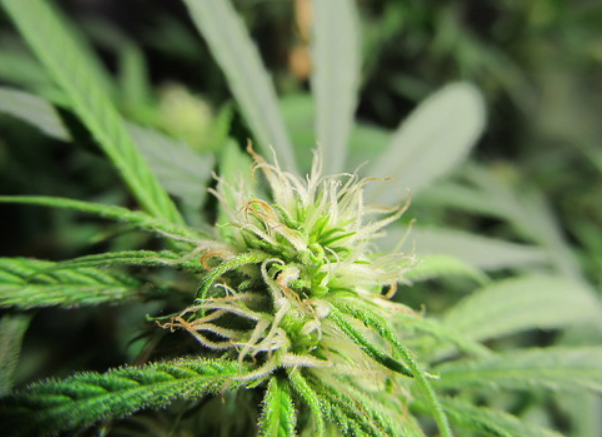
Clones: A clone is a cutting drawn from a mature cannabis plant. Duplicates are genetically similar to the moms and dad plant, indicating they will generate the same strain with the exact same characteristics. This is a common practice for farmers that intend to preserve desirable traits from a specific plant, such as high THC content or specific terpene accounts. Seed startings: Cannabis plants expanded from seeds are not genetically the same, even if they come from the exact same strain. Each seed has its very own genetic variation, which suggests the resulting plants might have different effects, returns, and growing features. A cultivar is a term that describes a specific variety of cannabis that has been selectively reproduced for certain characteristics, such as fragrance, potency, yield, or resistance to disease. The term resembles “strain,” but cultivar is typically made use of in the context of gardening techniques to describe a specific, intentionally bred variety of cannabis. Bag Appeal: This term describes the visual beauty of cannabis. A strain with “great bag charm” commonly has thick, trichome-covered buds that are vibrant and aesthetically enticing. Bag allure is a vital variable for both leisure customers and medical individuals, as high-grade buds tend to have greater effectiveness and better impacts.
Crossbreed: When 2 different cannabis strains are bred together, the outcome is a “crossbreed” or a crossbreed. Crossbreeding is done to integrate the desired features of both parent strains, such as taste, potency, or restorative effects. Hereditary Lineage: The hereditary family tree of a cannabis strain refers to its family tree or origins. Understanding the family tree can aid understand the potential effects, flavors, and expanding attributes of a strain. Material is a sticky compound created by cannabis plants, especially in the trichomes (little glands externally of the buds). Resin includes high focus of cannabinoids (THC, CBD, and so on) and terpenes, and it’s the key ingredient in focuses like hash and rosin. Trichomes are the tiny, hair-like frameworks on cannabis flowers that create material. The visibility of trichomes is a sign of a healthy and balanced, powerful cannabis plant. Stress with more trichomes are generally more powerful and tasty.
 Cannabis dispensaries in Krabi